The Emerging Markets Forum
The Emerging Markets Forum is a not-for-profit venture of the Centennial Group, a Washington based strategic advisory firm specilaizing in emerging market economies. University of St Gallen, Switzerland and Asian Institute of Management, Philippines are intellectual partners.
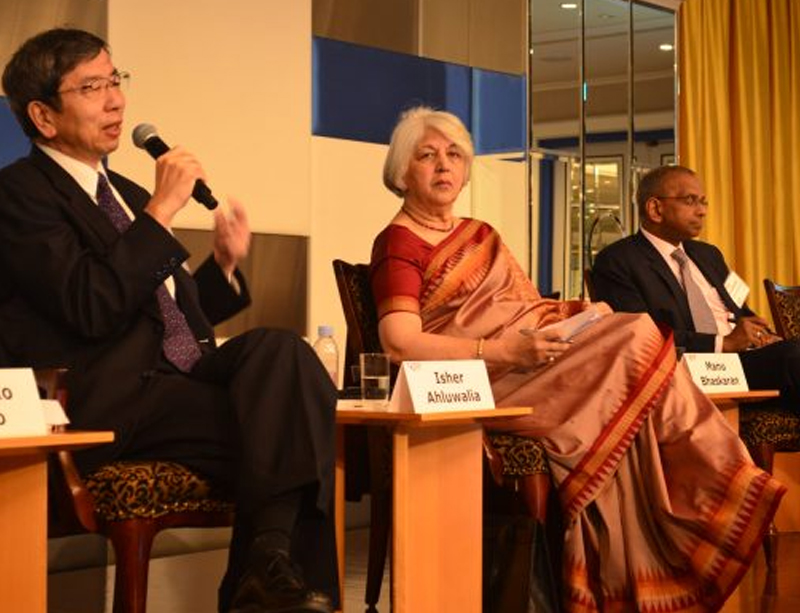
The co-Chairmen of the Forum are Michel Camdessus (France), former Managing Director of the International Monetary Fund, Haruhiko Kuroda, President of the Asian Development Bank, and Fidel V. Ramos, former President of the Philippines.
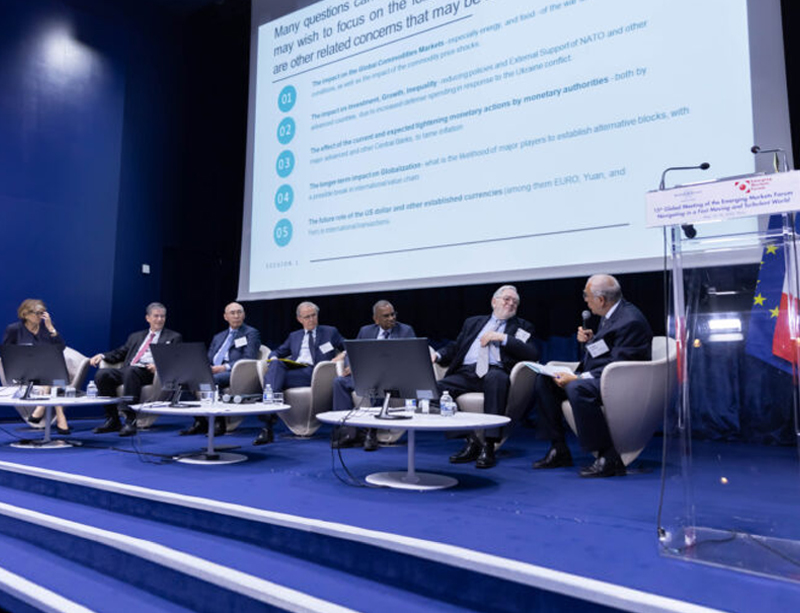
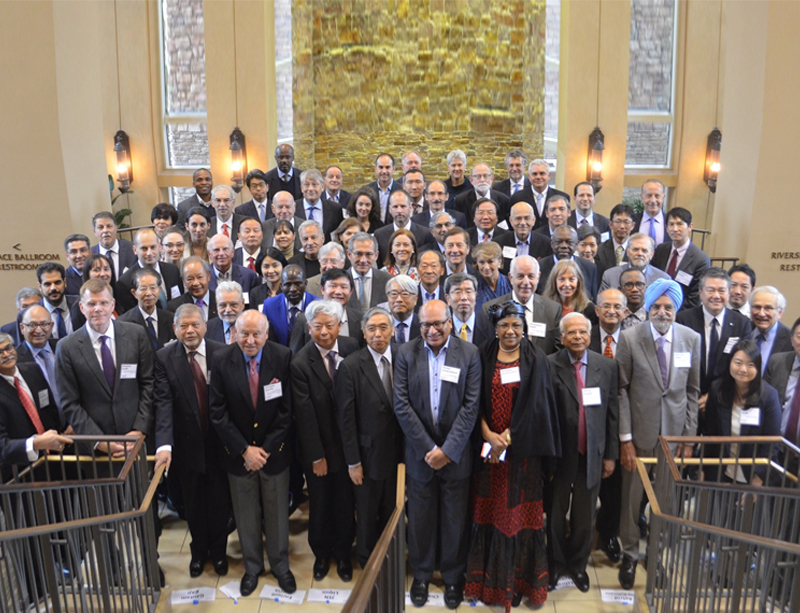
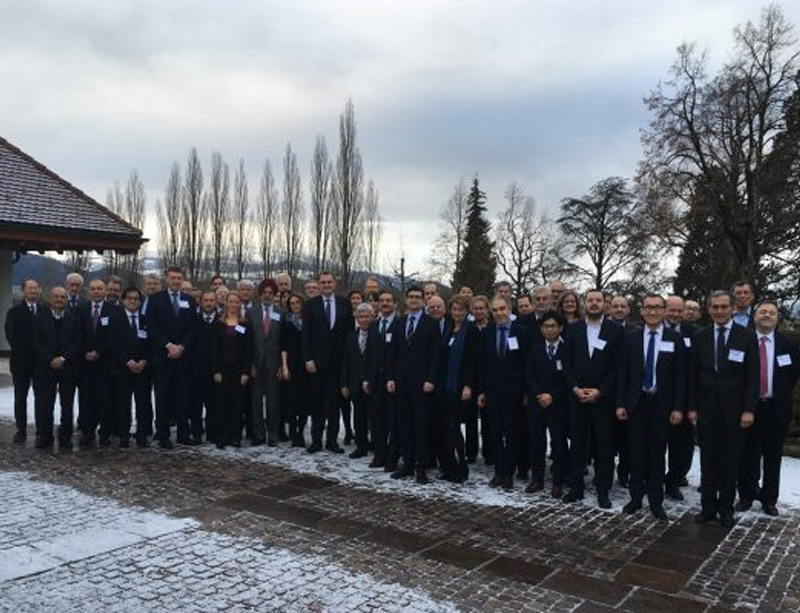
The Forum was created to allow senior political and corporate leaders and public servants to reach actionable conclusions on economic, political and social issues facing emerging market countries. While such countries vary in size, history, resource endowments and income, they all share superior prospects for sustainable growth based on prudent macro-economic management, economic liberalization, openness to global markets and foreign investment, and a dynamic domestic private sector. International investors and multilateral companies have a keen interest in increasing their exposure to these economies. Finally, the emerging markets economies and international business community have a shared interest in trade and investment related issues specific to these economies for which a dedicated forum has not previously existed. The Forum aims to fill this void.
How The Emerging Markets Forum Differs:
- Its agenda is driven by the priorities of emerging market countries rather than those of OECD countries or multilateral institutions. A high level Advisory Group helps shape its agenda and participants.
- It is predicated on the belief that sustainable development and poverty alleviation ultimately depend mainly (though not exclusively) on long term economic growth and on private sector action rather than heavy government intervention.
- Its participants have actual experience in high level policy formulation and in senior executive positions in private sector, rather than in academics.
- Its meetings are small enough to permit candor and intensive dialogue, and yet large enough to incorporate diversity of experience and views.
- Its deliberations are grounded in substantive papers written by experts who have both real life experiences in policy formulation and are idealogically neutral.
- Its outputs are practical actions designed to resolve issues rather than laborious communiqués or innocuous statements of intent.
- It is permanently active because its main work is done between meetings as participants use their influence to implement the conclusions reached at its meetings.
- Its modalities are both private (because nothing said is attributed to any individual) and public (because collective conclusions are actively disseminated through publications and the media).